Top 11 Dinosaurs

Updated: Aug 27
By CJ Tiernan
Between approximately 252 million and 66 million years ago, dinosaurs roamed the earth (they may have also RULED the earth but, to date, no dinosaur crowns have been located in the fossil records). Freaking dinosaurs, man! They are just a breathtakingly awesome concept. Creatures as large as 120 or 130 feet long that weighed 100 tons or more is just insane. Plus, with the curious manner of their sudden demise, the true-crime crowd should be champing at the bit to make it a murder-mystery podcast. Their extinction is an unsolved mystery that still burns bright (though the general consensus is that an asteroid was the guilty party). Below I've listed my 11 favorite dinosaurs I've ever encountered in my studies (in books and stuff, not physically. Again, they're extinct).
1. Archaeopteryx
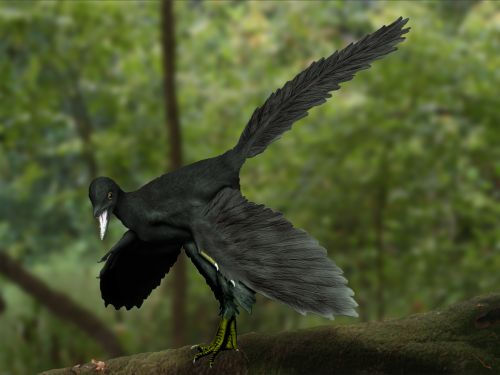
The Archaeopteryx is one of the dinosaurs that looks like a bird. In fact, this dino was considered a "missing link" of sorts upon its discovery in the 1800s. The delightful little bugger would been about the size and color of a raven. It is, at least in most depictions, rather hideous. I love its misfit vibe for the same reason the platypus is my favorite animal. They just feel like outcasts with hybrid features. Fall with style you beautiful beast!
2. Velociraptor
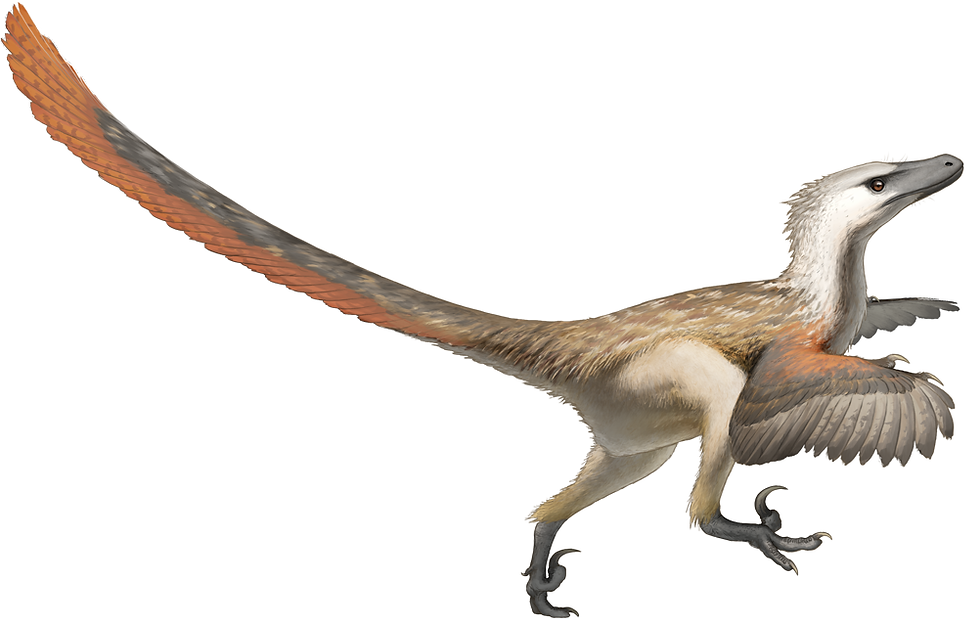
It can be hard to separate our conception of dinosaurs courtesy of kids books and Jurassic Park movies but, the reality is, there were a lot of feathers back then (seriously, powwow levels of feathers). While this dino is not a complete departure from the "clever girl" you know and love, there are certainly some differences, thanks to scientific discoveries that have taken place since I was a kid. Actually, most of what we know of the Velociraptor from Jurassic Park is actually a closely-related dinosaur called the Deinonychus. Michael Crichton (author of the book upon which the movies were based) used the Deinonychus as his basis for the dinosaur almost entirely and just thought the name velociraptor sounded cooler. No arguments here.
3. Tyrannosaurus Rex
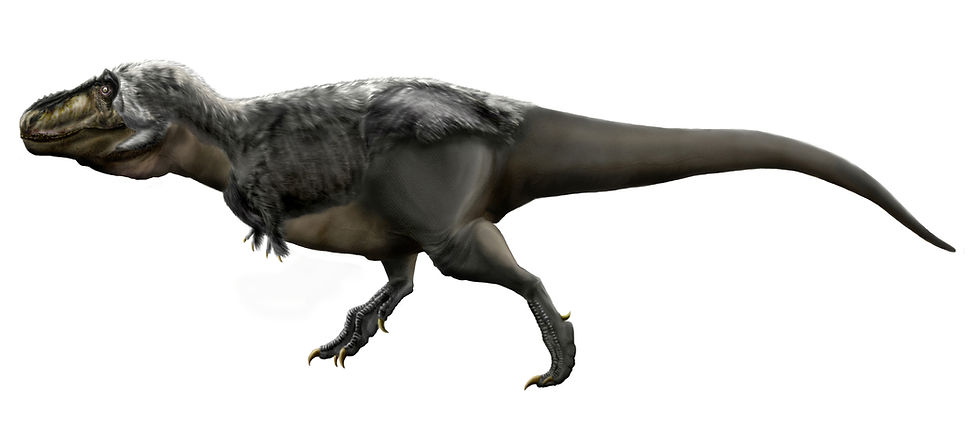
Here it is. The king of the jungle. The top of the food chain. The power house of the cell (wait, that's mitochondria). The mighty dino with the vestigial arms, T-Rex could've been over 40 feet long and more than 13 feet tall. Yikes! I could see that chasing down a jeep. This thing operated like a lever, with its legs functioning as the fulcrum. It required the long tail to counterbalance the weight of its patented big head. Other than maybe Chuck Norris, this was the coolest apex predator ever.
4. Gallimimus
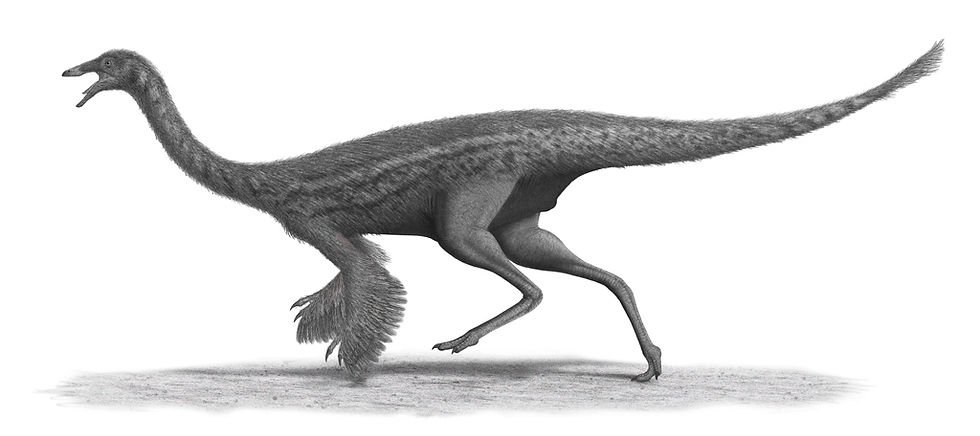
If what I learned about this guy as a kid is still true, the Gallimimus is a pack dinosaur that goes around and steals the eggs of other dinosaurs (like to eat, not to foster as their own like in a "Raising Arizona" or "Jungle Book" situation). They could be up to 20 feet long and over 6 feet tall. This illustration expertly showcases the speed they would have had to use to escape the scene of the crime (as they were operating eons before the advent of the getaway driver).
5. Ankylosaurus
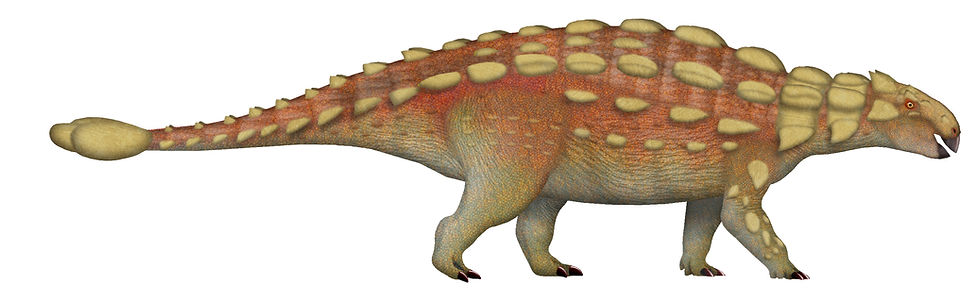
Going clubbing had a totally different connotation when this guy strolled into town. This dinosaur was armored up to the (metaphorical) gills and had a club on the end of its tail. The armor was made of plates of bone embedded into the skin. That's like some Darth Maul-level malevolence, right there. While a full skeleton of one these irascible little devils has never been found, forcing paleontologists to theorize on the subjects of feet and pelvis, I think we can rest assured that this animal, which could be over 20 feet long, would not have flown under the radar. If you accidentally strode through his azaleas, your last thought might be "thank God he's an herbivore" before that tail club broadsided you into the next life.
6. Stegosaurus
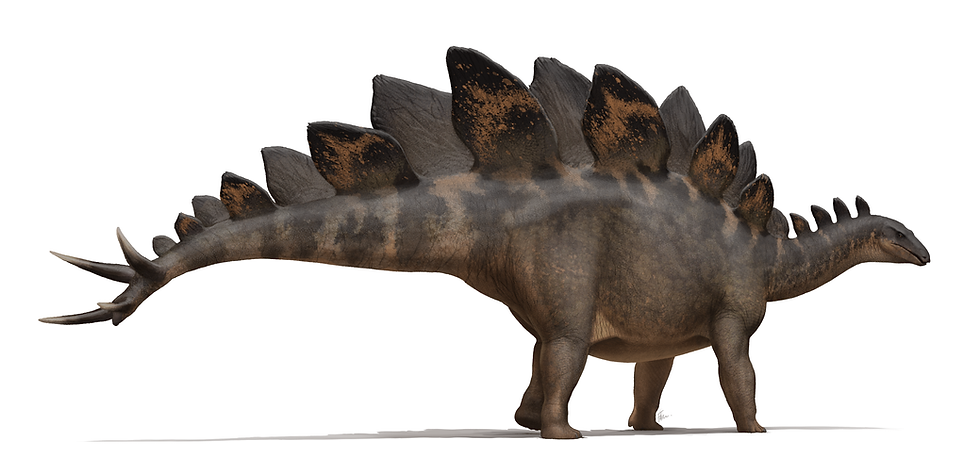
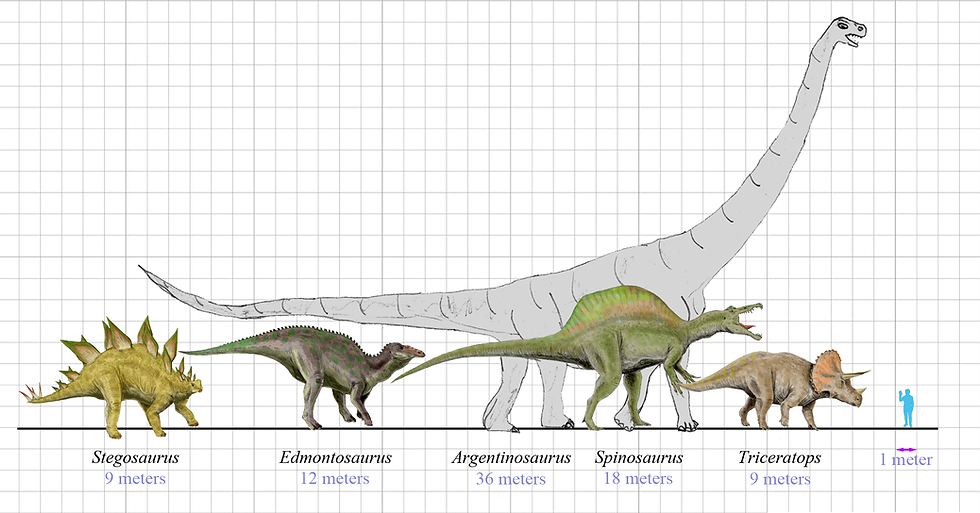
Okay, clearly I have a type. I'm back for more bony plates sticking out of the skin. Dinosaurs are serving as a Freudian Rorschach Test. Here's the thing, these guys are awesome. When you're not an apex predator, you need a defense system. Armor and weapons, much like in the Crusades, is how you survive. The plates also operated as thermoregulators, which is pretty cool. Stegosauri could be up to 25 feet long. I don't really have anything else to say about them, I just wanted to use the word Stegosauri (which is, indeed, a legitimate English plural of Stegosaurus).
7a. Mosasaurus
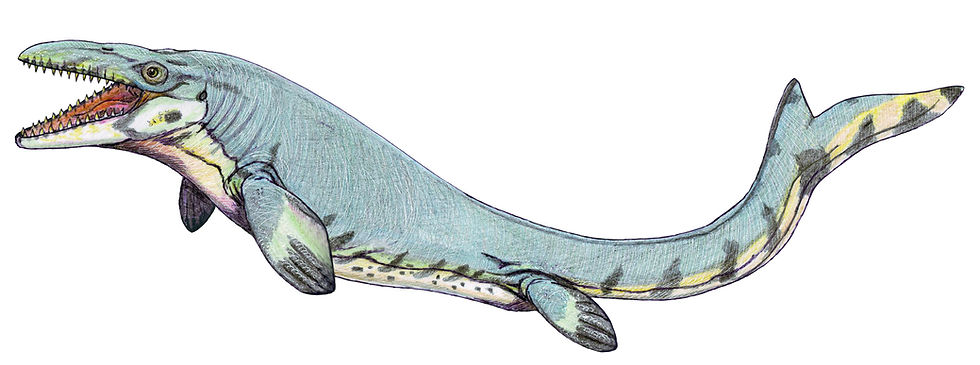
Welp, I've gone and cheated. Technically the Mosasaurus is not a dinosaur. It is an entirely sea-dwelling reptile that lived during the time of the dinosaurs (and apparently part of the definition of a dinosaur indicates they are terrestrial reptiles). I see it as a water dinosaur, but I seem to have left my PhD in Paleontology in my other pair of khakis. Whatevs. My list, my rules. This thing is awesome. It could be over 50 feet long and, like someone with F-you money, fed on whatever it saw. It ate sharks, man. Sharks! Plus look at those paddle fins. The Mosasaurus was like the T-Rex of the seas: an apex predator.
7b. Elasmosaurus
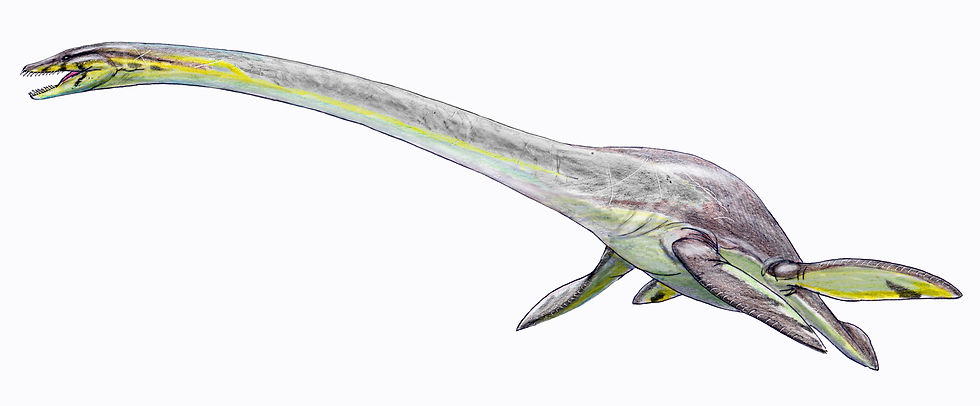
As long as I'm in the business of fudging with my own lists, I may as well push all the chips to the middle of the table. This is another marine reptile that, while it lived in the Late Cretaceous Period, does not meet the stodgy qualifications of a being a dinosaur. I mean, c'mon, look at this thing. Do you want to be the one to tell it that it doesn't get to be a dinosaur? It is described as having a short tale and "paddle-like limbs." It also sports a delightfully long neck. This thing is about 40% neck, like Takeo Spikes or Mike Glennon. Just the neck could be over 23 feet long. Elasmosaurus was one of many that fall under the classification of "long-necked plesiosaurs." Personally, I categorize them as "voted most likely to have secretly survived mass extinction and built a summer home in a lake in the Scottish Highlands."
8. Iguanodon
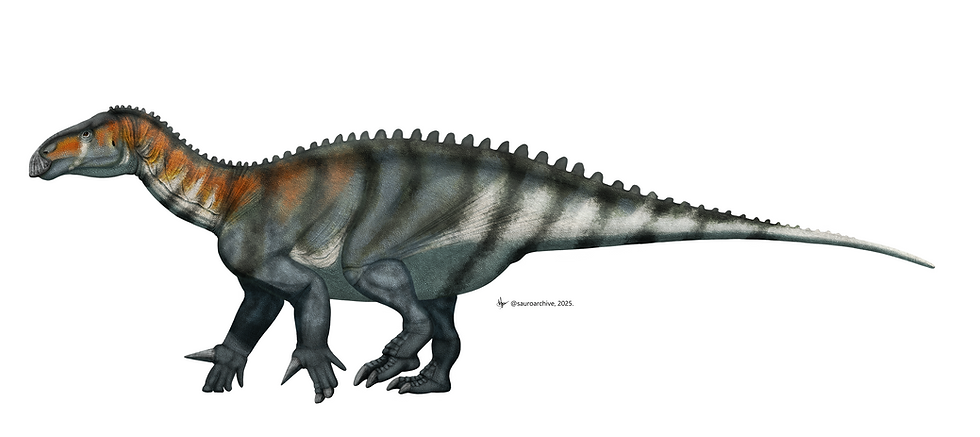
Sharp thumbs. The first thing you think about with these dinosaurs (yes, we're back to dinosaurs that dinosaur people call dinosaurs) is a sharp thumb. Iguanodons could be over 35 feet long and, like the T-Rex, used the tail to balance its gait on its hind legs. But seriously, those sharp thumbs. If you're at a sleep over with an Iguanodon and do the whole "tickle their face with a feather to make them slap shaving cream on themselves" bit, you may end up causing an involuntary, self-inflicted thumb through the eye (Hilarious!).
9. Triceratops
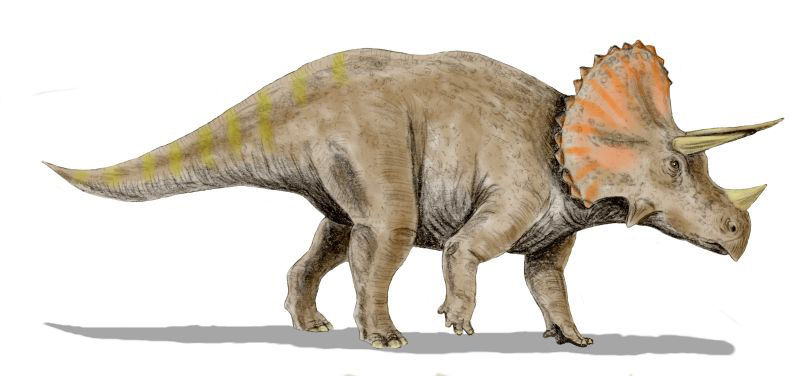
Did you know these quadrupeds could be up to 30 feet long? They are one of the most recognizable dinosaurs out there (well, not "out there, out there" as they all died a crazy long time ago, but you know what I mean) because of their 3 horns. Tri means 3 (except in rugby, where it is a score worth either 4 or 5 points depending on the league and rules. Or, if you're hanging with Yoda: "exist, it does not"). If you ever wondered what the plate along the back of the head (called a "frill") was for, well, so did the science dudes. While many different theories have been posed through the years, the two that hold the most water at this time are that 1) they were used for courtship and 2) they were used defensively. They are ornate and all the different species of Triceratops had different patterns and styles so it is believed they may have operated similarly to the peacock's feathers. However, because Triceratops were alive at the same time as the T-Rex, it is thought the robust bone structure may have operated as a defense mechanism. They had skin on the frill and many little veins ran through it, so it would been like defending yourself from a bear by shielding your face with your forearm (a.k.a. ouch!).
10. Spinosaurus
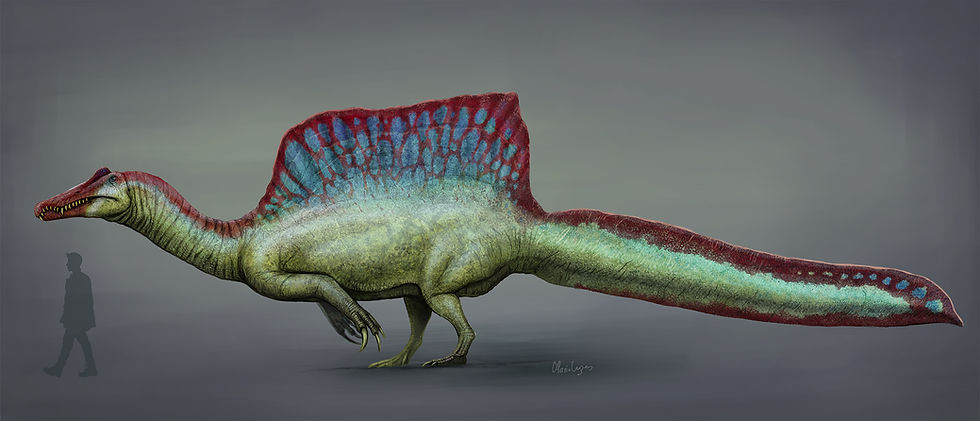
These beasts were some of the largest carnivores that roamed the earth. While the T-Rex is famously the big cheese, this guy was no untouched slice of Swiss on the charcuterie board and may have actually been longer than the T-Rex. The Spinosaurus could grow to over 45 feet long. It is believed these things could use the spiny tail and paddle feet in water and operate as a semi-aquatic creature, aiding in its acquisition of food. With a head like a crocodile, it could hunt its prey on land or in water (like an outdoorsman who both hunts and fishes). Next time your back hurts, just think "it could be worse. I could have a giant 7-foot sail sticking out the back of it." I think it might help.
11. Diplodocus
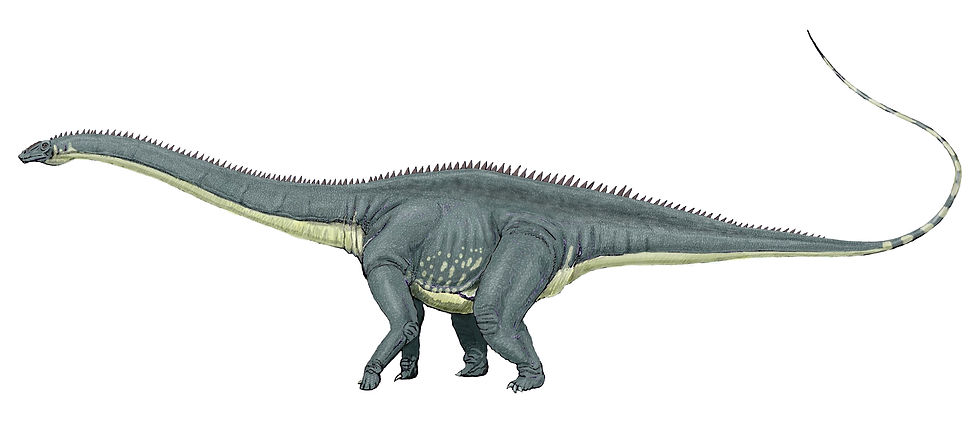
The Diplodocus could grow up to 100 feet long. That is a big dino. They had small brains, ate plants, and possessed a whip-like tail. They are famous for their delightfully long necks but their body length was actually over 50% tail (they got it the natural way, not via a Brazilian Butt Lift). I like this dinosaur because it gives off some lazy vibes. It is so long it can just graze from a large number of plants without having to lift its pivot foot. It is so long, it just exists near everything it needs. That sounds nice. However, the spikes along its spine are believed to be for defense, or at least as a deterrent, so probably best not to spike the ball just yet.
Final Thoughts
In the history of time, dinosaurs are some of the coolest things that ever lived (though Morpheus in "The Matrix" might still be number one). It is fascinating to see how they all evolved for their environments (and to survive their enemies). From little tiny, bird-sized ones, to the dinosaurs that would outsize even the largest of quarry vehicles, they spanned every imaginable shape and size. And there were so many. I'm sure you have your favorites (or at least did when you were a kid), so let me know in the comments if I missed any of your faves. Thanks!



Comments